"We are on the verge of a revolution in medicine: understanding, treating, and ultimately preventing the causes of degenerative aging. But medical revolutions only happen if we all stand up in support of funding and research. We did it for cancer. We're doing it for Alzheimer's. We can do it for aging - and create an era of longer, healthier lives!"

Required Reading
Activism and Advocacy
Calorie Restriction
The Community, Visualized
Cryonics
Healthy Life Extension Explained
Introductory Articles
Longevity Meme Newsletter
Methuselah Foundation
Mprize for Anti-Aging Research
Stem Cells, Regenerative Medicine
SENS, Negligible Senescence
What is Anti-Aging?

High Quality Supplements, Vitamins

On the Causes of Aging
Accumulating AGEs
Aging Immune System
Junk in the Lysosome
Mitochondrial Free Radicals
Other Causes of Aging

Objections Answered
Boredom
Inequality and Economics
Overpopulation
Stagnation
The Tithonus Error
What About Retirement?

Recent Entries

  • A Gentle Introduction to the Dreaded Mitochondrial-Lysosomal Axis
  • From the Latest Rejuvenation Research
  • Do People Believe They Can Make a Difference?
  • Forthcoming Conferences
  • The Future of Medicine as Knowledge, Positioning, Targeting
  • A Few Links of Interest: Podcasts, Resveratrol, Twin Studies
  • A Gentle Introduction to Telomeres, Aging and Promising Cancer Research
  • Aubrey de Grey on the SENS Challenge Result
  • No Silver Bullet For Degenerative Aging ... Yet
  • Further Writing on the SENS Challenge Materials
  • Why I Don't Prefix With Titles
  • Socio-economic Status and Aging
  • People Who Don't Understand Change
  • Surprisingly Few Processes Can Be Thrown Into Reverse
  • Another Betterhumans Redesign
  • Stem Cell Research Politics, Briefly
  • One Hundred of The Three Hundred
  • A Future in Which You Won't Be Forced to Retire
  • Commentary on the SENS Challenge Results From Around the Blogosphere
  • Who Will Be the 100th Member of The Three Hundred?

    Weblogs of Interest
    Accelerating Future
    Alcor News
    April's CR Diary
    Andart
    Anti-Aging Medicine & Science
    Biosingularity
    CRON Diary
    Cryonics Society
    Depressed Metabolism
    Digital Crusader
    Distributed Republic
    Ethical Technology Blog
    Existence is Wonderful
    Frontier Channel
    Future Current
    FuturePundit
    grailsearch.org
    Longevity Science
    Marginal Revolution
    Metamagician and the Hellfire Club
    Methuselah Foundation Blog
    Mises Economics Blog
    Nanodot
    Ouroboros
    Overcoming Bias
    Pimm - Partial immortalization
    Responsible Nanotechnology
    ScienceBlogs
    Sentient Developments
    Singularity Institute Blog
    The Loom
    The Speculist
    Tangled Bank
    Transumanar

      
    Search

    Archives (Monthly)

    May 2008
    April 2008
    March 2008
    February 2008
    January 2008
    December 2007
    November 2007
    October 2007
    September 2007
    August 2007
    July 2007
    June 2007
    May 2007
    April 2007
    March 2007
    February 2007
    January 2007
    December 2006
    November 2006
    October 2006
    September 2006
    August 2006
    July 2006
    June 2006
    May 2006
    April 2006
    March 2006
    February 2006
    January 2006
    December 2005
    November 2005
    October 2005
    September 2005
    August 2005
    July 2005
    June 2005
    May 2005
    April 2005
    March 2005
    February 2005
    January 2005
    December 2004
    November 2004
    October 2004
    September 2004
    August 2004
    July 2004
    June 2004
    May 2004
    April 2004
    March 2004
    February 2004
    January 2004

    Creative Commons License
    Attribution, noncommercial, no derivative works. Play nice.

  • « June 2006 | Main | August 2006 »

    Monday, July 31, 2006

    A Gentle Introduction to the Dreaded Mitochondrial-Lysosomal Axis

    Is it really right that you know more about the workings of your car than your body? You can always buy another car if you fail to take good care of the one you have. If you want to live a longer, healthier life, however, it is a very good idea to become more educated about what is actually going on inside that aging body of yours. A great deal more is known about the biochemistry of aging than present day medical technologies allow us to manipulate safely, but this state of affairs is changing rapidly. Getting yourself up to speed is the first step towards deciding how you should help to shape your future health and longevity.

    With that in mind, here's a little about the mitochondrial-lysosomal axis theory of aging and its relationship to your aging process. Like much of modern biochemistry, a summary of the science is actually nowhere near as complex as the name makes it sound. The following paper describes a relationship between cellular processes, damage and failure modes that take place in the mitochondria and the lysosomes, components within the cell known as organelles.

    The lysosomal–mitochondrial axis theory of postmitotic aging and cell death:

    Aging (senescence) is characterized by a progressive accumulation of macromolecular damage, supposedly due to a continuous minor oxidative stress associated with mitochondrial respiration. Aging mainly affects long-lived postmitotic cells, such as neurons and cardiac myocytes, which neither divide and dilute damaged structures, nor are replaced by newly differentiated cells. Because of inherent imperfect lysosomal degradation (autophagy) and other self-repair mechanisms, damaged structures (biological "garbage") progressively accumulate within such cells, both extra- and intralysosomally. Defective mitochondria and aggregated proteins are the most typical forms of extralysosomal "garbage", while [lipofuscin] represents intralysosomal "garbage".

    Based on findings that autophagy is diminished in lipofuscin-loaded cells and that cellular lipofuscin content positively correlates with oxidative stress and mitochondrial damage, we have proposed the mitochondrial-lysosomal axis theory of aging, according to which mitochondrial turnover progressively declines with age, resulting in decreased ATP production and increased oxidative damage.

    The inherited Batten disease shows what happens when lipofuscin buildup truly runs amok - a very early death. As the above paper shows, scientists are building an ever greater understanding of exactly how it is that our cells run down with age. Some groups - such as those funded by donations to the Methuselah Foundation, or those aiming at specific age-related conditions resulting from this damage - are working towards fixing these problems.

    If we want to see more rapid progress towards therapies capable of repairing this sort of age-related cellular damage, more funding and more researchers are needed in these areas. This is something that you can help to bring about; so take a moment to think about your priorities!

    Technorati tags: ,

    Posted by Reason at 9:14 PM
    Permanent Link | View Comments (0) | Post Comment | TrackBack (0)

    Sunday, July 30, 2006

    From the Latest Rejuvenation Research

    Rejuvenation Research Volume 9 Number 3 is out and available online, in case you hadn't noticed. While, as usual, more than I note is there for your perusal, the following items caught my eye:

    Targeting Telomerase:

    Given the constitutive expression of telomerase in the majority of human tumors, telomerase inhibition is an attractive, broad-spectrum therapeutic target for cancer treatment. Therapeutic strategies for inhibiting telomerase activity have included both targeting components of telomerase (the protein component, TERT, or the RNA component, TERC) or by directly targeting telomere DNA structures. Recently a combination telomerase inhibition therapy has been studied also. ... The 10% to 15% of immortalized cancer cells that do not express telomerase use a recombination based mechanism for maintaining telomere structures that has been called the alternative lengthening of telomeres (ALT). In view of the increasing study of telomerase inhibitors as anticancer treatments, it will be crucial to determine whether inhibition of telomerase will select for cancer cells that activate ALT mechanisms of telomere maintenance.

    It seems clear that much can be done with a better understanding of the cellular mechanisms hijacked and redirected by cancer. Cancer is, in essence and skipping over most of the important subtleties, a failure of the body's turnover mechanism for cells - it is suddenly immortal cells run amok. At the more ambitious end of the pool, we have proposals like Aubrey de Grey's Whole-body Interdiction of Lengthening of Telomeres, a part of the Strategies for Engineered Negligible Senescence (SENS). Considering near term goals, however, a number of research groups and young companies are hacking away at the undergrowth to find the best gains to be made in the short term.

    Stimulation of Macroautophagy Can Rescue Older Cells from 8-OHdG mtDNA Accumulation: A Safe and Easy Way to Meet Goals in the SENS Agenda:

    Reduction of oxidative stress within mitochondria is a major focus and important part in the SENS agenda. The age-related accumulation of mitochondria rich in oxidatively altered DNA may be a biomarker of malfunctioning and increased oxidative stress. Macroautophagy is the cell repair mechanism responsible for the disposal of excess or altered mitochondria under the inhibitory control of nutrition and insulin, and may mediate the antiaging effects of caloric restriction. ... It is concluded that the age-related changes in [mitochondrial DNA (mtDNA)] and function are likely to be the consequence of a failure of macroautophagy in the recognition and disposal of a small number of severely injured mitochondria, and that easy and safe ways are available to counteract this change.

    I am very pleased to see more researchers taking SENS as a challenge, or goal list. This sort of mindset will go a long way towards bringing people on board and putting accomplishments on the table. More to the point, and like the protofection folk, this group is demonstrating some tangible results - albeit not so far advanced and not in vivo.

    Werner Syndrome as an Example of Inflamm-aging: Possible Therapeutic Opportunities for a Progeroid Syndrome?

    Werner syndrome (WS) is a premature aging disorder that is widely used as a model for some aspects of the normal human aging process. Individuals with WS have several of the characteristics of normal aging, such as cataracts, hair graying, and skin aging, but manifest these at an early age. In addition, WS is associated with high levels of inflammatory diseases such as atherosclerosis and type II diabetes. Recent data have indicated that fibroblasts derived from individuals with WS have activated a major molecular pathway involved in inflammation. This observation ties in with the presence of high plasma levels of inflammatory cytokines in individuals with WS. In this paper, the authors discuss the possibility that WS is an example of "inflamm-aging," in that many of the phenotypic manifestations may result from an increased inflammatory state. Moreover, drugs that specifically block this inflammation pathway may be possible candidates for therapeutic intervention in WS.

    Inflammaging is a great term - very catchy, to the point and representative of exactly what it is that chronic inflammation does to you. We need more of these catchy terms as we go forward in our attempts to bring an understanding of healthy life extension to a wider audience (starting with a replacement for "healthy life extension" and "anti-aging").

    But back to the research at hand. This caught my eye precisely because scientists have recently nailed down progeria - another accelerated aging condition - to be the result of a biochemical process seen in "normal" aging that is exaggerated out of all proportion due to a single genetic mutation. The aging process is very multifaceted for most of us, but progeria is a case of one - apparently comparatively minor - facet racing ahead of all others to dominate and shorten life span.

    Present indications are that Werner syndrome is a matter of failing DNA repair mechanisms; thus its syndromes are a consequence of an increased rate at which unrepaired DNA damage accumulates. That isn't completely cut and dried, however; it will be interesting to see how inflammation fits into this. What is the cause and what is the consequence? Further research will show the answer, and the knowledge gained will most likely benefit wider longevity research - just as for progeria.

    Technorati tags: , , , , ,

    Posted by Reason at 12:38 PM
    Permanent Link | View Comments (0) | Post Comment | TrackBack (1)

    Saturday, July 29, 2006

    Do People Believe They Can Make a Difference?

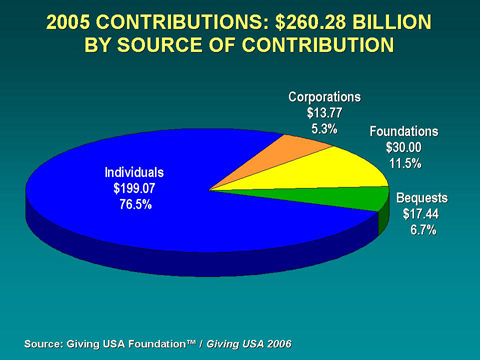
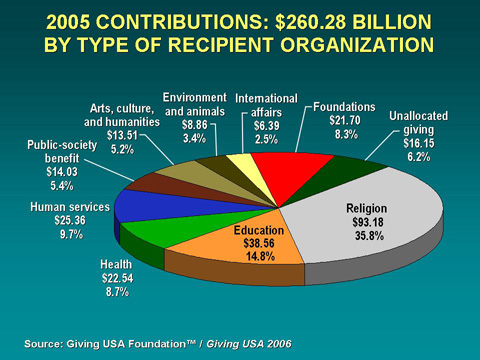
    Do people believe that they can make a difference, that they can help to change the world? Judging by these statistics from the Giving USA Foundation, the answer has to be yes:

    The growth of nonprofit infrastructure, activism and advocacy in support of cancer, diabetes and Alzheimer's research demonstrates that a large fraction of the population are very willing to change the world so as to eliminate specific, well-understood causes of age-related suffering. Decades of messaging have gone into making the present public understanding of cancer as a disease with a cure, for example, or Alzheimer's as something other than a "normal part of aging." After a certain point, the message started by advocates becomes self-sustaining in the wider cultural conversation.

    Including the roots of age-related degeneration in this category is a matter of education - and a matter of keeping at it. Persuading people that no degeneration, frailty or death should be a "normal part of aging" is a matter of delivering the message - ever-louder, ever more clearly, with ever greater professional support - and growing the community of healthy life extension supporters.

    This isn't a novel or complex job; it's just hard work, and a repetition of long-proven methods. Look back to see how AIDS activists succeeded, or how cancer research advocacy grew in the 60s and 70s, or how present day Alzheimer's research supporters work. Real progress has been made in the past few years, but it's up to us to ensure this progress continues.

    Each individual chooses whether to help bring about a future of longer, healthier lives - but it's our fault if most people never understand the potential of present day science, or that the choice to effectively attack degenerative aging presently exists. It you want something done, if you want people to help out and see matters your way, then you have to set the ball rolling yourself. There is no other way.

    Technorati tags: , ,

    Posted by Reason at 8:32 PM
    Permanent Link | View Comments (2) | Post Comment | TrackBack (1)

    Friday, July 28, 2006

    Forthcoming Conferences

    By way of a reminder, the 3rd International Conference on Healthy Ageing & Longevity kicks off on October 13th in Melbourne, Australia. Early registration continues through to August 31st; give it some thought, as the past two conferences were worthwhile affairs. The conference series is a good example of wealthy individuals stepping up to make a difference.

    The Weller family of Australia are committed to organising the annual International Conferences on Healthy Ageing and Longevity for the next ten years, with the aim to promote interdisciplinary collaboration amongst the world's leading doctors, scientists, complementary healthcare professionals and policy makers in the field of health and ageing. The family has no connection with any company or product in the healthcare industry.

    As noted over at the Methuselah Foundation and in the Longevity Meme news, the 6th Alcor Conference is also in October:

    Held at the Scottsdale Marriott in Scottsdale, Arizona, the Alcor Life Extension Foundation's 6th Conference from October 6-8, 2006, will explore anti-aging research, life extension, nanomedicine and nanotechnology, whole body cryopreservation, cryonic revival and more.

    Don't miss this opportunity to hear the most up-to-date information about the cryonics experiment being conducted at the Alcor Foundation, as well as possibilities of other life-extending sciences.

    Lastly for this post, the transhumanist community conference TransVision 2006 is coming up in Helsinki, Finland in August:

    This year the theme of the conference will be Emerging Technologies of Human Enhancement. We'll be looking at recent and ongoing technological developments and discussing associated ethical and philosophical questions.

    If you check the list of speakers, you'll see that biomedical gerontologist Aubrey de Grey will be giving one of the keynotes. He'll also be presenting at the Alcor conference:

    Dr. de Grey joins us to overview the [Strategies for Engineered Negligible Senescence (SENS)] plan and highlight how his proposed aging interventions closely parallel the molecular and cellular repairs that will be required to revive a well-vitrified cryonics patient.

    Technorati tag: , ,

    Posted by Reason at 10:15 PM
    Permanent Link | View Comments (0) | Post Comment | TrackBack (1)

    Thursday, July 27, 2006

    The Future of Medicine as Knowledge, Positioning, Targeting

    Knowledge is everything; it allows you to take the technologies of yesterday and use them in new and far more powerful ways. The movement of a single brick could change the course of history - if you just knew where, when and how to place it.

    Here is a good example of the power of placement:

    An atherosclerosis plaque results when a buildup of cholesterol, inflammatory cells and fibrous tissue forms inside an artery. If a plaque ruptures, it can block blood flow to the heart or brain, causing heart attack or stroke.

    While growing, plaques require an influx of nutrients, fats and cells, so they develop their own blood supply -- minute blood vessels that grow within the wall of arteries and penetrate the plaque. Many believe that cutting off this blood supply could stabilize or reduce plaques. In previous studies, fumagillin has been shown to be an effective agent for stopping the process that creates new blood vessels.

    Riding on the nanoparticles, fumagillin is carried to the site of new blood vessel formation and stays there thanks to a fellow nanoparticle passenger -- a component that fastens the nanoparticles to cells found in newly developing blood vessels. Stuck in this position, the nanoparticle drops its load of fumagillin, concentrating it at the site of the atherosclerotic plaque.

    In this study, the single dosage of fumagillin each rabbit received was 50,000 times lower than the total fumagillin dose used in an earlier experiment by another research group and yet reduced the growth of new blood vessels in plaques by 60 to 80 percent.

    Researchers involved in first generation nanomedicine - equal parts nanoscale manufacture, biotechnology and ingenuity, mixed and then applied to medicine - are turning out impressive technology demonstrations of this nature at a rapid pace. Simple, abandoned drugs of the past become effective agents when precisely targeted to individual cells and microscopic locations in the body.

    In essence, much of modern biotechnology is knowledge, positioning and targeting. With the enabling technologies of targeted delivery in hand, making changes doesn't require any further component much more complex than a brick. All the complexity is elsewhere: in manufacturing intricate nanoparticles; in the vast bioinformatics infrastructure; in our growing organized knowledge of biochemical mechanisms.

    In the old school of drug discovery and development, it was all about the brick. Nowadays, the brick is almost the last thought in the process of developing new therapies - and we'll be the better for it.

    Technorati tags: ,

    Posted by Reason at 8:16 PM
    Permanent Link | View Comments (1) | Post Comment | TrackBack (4)

    Wednesday, July 26, 2006

    A Few Links of Interest: Podcasts, Resveratrol, Twin Studies

    A minor roundup of odds and ends for you folk today:

    Podcast: Futures in Biotech, Episode 2: Dr. Leonard P. Guarente on Aging

    Why do living things age? What genes influence longevity? Is it possible to extend youthfulness by means of genetic manipulation? What does the aging of a yeast cell have in common with the aging of a human being or a mouse? Dr. Guarente analyzes these tantalizing questions and others in this episode.

    Therapeutic potential of resveratrol: the in vivo evidence

    Resveratrol, a constituent of red wine, has long been suspected to have cardioprotective effects. Interest in this compound has been renewed in recent years, first from its identification as a chemopreventive agent for skin cancer, and subsequently from reports that it activates sirtuin deacetylases and extends the lifespans of lower organisms. Despite scepticism concerning its bioavailability, a growing body of in vivo evidence indicates that resveratrol has protective effects in rodent models of stress and disease. Here, we provide a comprehensive and critical review of the in vivo data on resveratrol, and consider its potential as a therapeutic for humans.

    As I've mentioned before, it's good to see the Paul F. Glenn Laboratories for the Biological Mechanisms of Aging appearing on research papers; the backers are a positive force for change, acceleration and better results in mainstream aging research. As to the paper itself, I'll admit to being a resveratrol skeptic. I'm skeptical in general on whether this sort of direction - metabolic research, supplements, pills, and so forth - is one in which we should be focusing all our attention and resources. If the end goal is the defeat of aging, as opposed to developing some modestly successful therapies for specific age-related diseases, then we need to do much better than this. The bottom line: if you have a much more efficient mechanism, generating unrepaired cellular damage at a lower rate, you will still age, suffer and die. If you are treated with a modestly successful therapy for your age-related disease, you will still age, suffer and die.

    Some things to ask yourself about any new supplement backed up by good laboratory work:
    • Do the pills deliver the same potency and compound used in the laboratory?
    • Will your body break it down before it does anything?
    • Has the pill form been demonstrated to have the same (or any) beneficial effects in scientific studies?
    • Is spending time, effort and money on this as effective for your future healthy and longevity as putting the same resources towards serious anti-aging research?

    In all fairness, that last question is a tough one - but it is something you should think about. I think that we would all benefit from less time spent on pills and more time spent on advanced medicine: telomeres, stem cells, cancer therapies, mitochondria and real anti-aging medicine.

    Twin studies and the damage done by aging:

    Identical twins who grow up together share just about everything, including their genes. But sometimes only one twin will have health problems when genetics predicts both of them should.

    ...

    The advantage of studying twins is that they start out with the exact same genetic information. Therefore, differences in gene expression are attributable to different environmental factors rather than genetics. Such factors could cause a random genetic mutation or affects how DNA is packaged.

    "There's a lot of variability in the severity of the disease, symptoms, and the response a patient will have to treatment. Differences in the expression of genes caused by environmental factors that modify DNA have a lot to do with this variability."

    Reminders that age-related degeneration is a stochastic process of accumulating damage and resultant failure modes are all around us. We age and fail just like complex machines because we are complex machines.

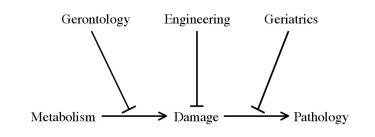
    The rate and type of cellular damage you accumulate over the years will be significantly different from your peers - even your genetically similar peers. All of us would benefit from the development of medical technologies capable of preventing or repairing this damage, however. Even incremental advances along this path will bring benefits to all, but this direction of research is quite different from that aimed at improving metabolic efficiency or reducing the rate at which damage occurs. Repairing cellular damage means the direct path to reversing aging, rather than the present focus on slowing it.

    Technorati tags:

    Posted by Reason at 9:43 PM
    Permanent Link | View Comments (1) | Post Comment | TrackBack (0)

    Tuesday, July 25, 2006

    A Gentle Introduction to Telomeres, Aging and Promising Cancer Research

    The Telegraph recently delivered an introductory popular science article on the implications and near future of telomere research:

    Within each and every one of your trillions of cells sits a molecular hour-glass. The time when each and every cell must stop dividing comes closer with every grain of sand that drops through this tiny clock.

    The grains are letters of DNA code that fall off these cellular timepieces. Scientists call them telomeres and there is good evidence that they go wrong in cancer so that, by fixing them, tumours could be made to expire on schedule. Earlier this month, a team in California managed to inhibit the spread of melanoma skin cancer by exploiting this mechanism.

    Longer life for your cells is not necessarily a good thing - cancer cells are an immortal machinery run amok, for example; an ultimately fatal hazard to finely tuned biochemistry that depends on cellular turnover and lifecycles. The melanoma research mentioned above is worth further reading if you are interested in seeing a facet of telomere research in action:

    In the study, researchers found through gene expression profiling in mice that eight genes involved in glucose metabolism were lowered when telomerase was suppressed in skin cancer cells. The result was a return of pigmentation, frequently absent in advanced melanomas, and of cancer cells losing their metastatic potential.

    "We introduced a telomerase inhibitor into melanoma cells and found that by suppressing telomerase, melanoma cells start to change," said Kashani-Sabet. "In some melanomas, pigmentation is lost. We found that when we are able to shut down telomerase, the cells regain functions previously lost, such as the ability to make pigment."

    "As the cells become too acidic from the buildup of lactic acid, the proteins that control pigment production can be turned off, suggesting that glucose metabolism plays a key role when combined with telomerase in metastasis."

    Shutting down metastasis is a very big deal in cancer treatment. A range of other telomere-related strategies are presently under exploration for the prevention or treatment of cancer. Unlike past generations of research, these are carefully tailored approaches based upon ever more accurate knowledge of the biochemical mechanisms at the root of cancer.

    But what of telomeres and aging? From the Telegraph article:

    Others believe that telomeres may hold the key to ageing itself. A team at Brown University in Rhode Island recently reported that cells with faulty telomeres made up about four per cent of connective tissue in five-year-old baboons. But in 30-year-olds, that number rose as high as 20 per cent, providing evidence to support the theory that old cells help make old bodies.

    When telomeres run out, cells become "senescent". Under a microscope, they look bloated. Analyse the way that they use genes and one can see changes that make the senescent cells secrete factors that make tissues deteriorate. Because they hang around for years, rather than do something helpful like die, these old cells may well underpin age-related disease.

    Perhaps a way to turn back telomeres can be found, marking the culmination of the search for the elixir of youth, although there is still a great deal of argument about whether it is ageing that shortens telomeres or whether stubby telomeres cause ageing.

    The argument will be solved by further research - there are convincing positions on both sides, for all the original form of the telomere theory of aging has been largely abandoned. It seems clear that aging has many more contributory causes, and it is far from decided as to where shortened telomeres fit into the picture - other than as a cause of cancer, that is, where the science is as definitive as it gets in an very active field.

    Amongst the research groups who see therapies for the root causes of degenerative aging emerging from telomere science are young companies like Phoenix Biomolecular, Sierra Sciences and Telomolecular. You should take a look at what they have to say about their areas of research.

    Technorati tags: ,

    Posted by Reason at 9:38 PM
    Permanent Link | View Comments (0) | Post Comment | TrackBack (2)

    Monday, July 24, 2006

    Aubrey de Grey on the SENS Challenge Result

    Biomedical gerontologist Aubrey de Grey comments on the recent SENS Challenge results in the latest Longevity Meme newsletter:

    MIT Technology Review's 'SENS Challenge' is an invitation to mainstream gerontologists, with a $20,000 incentive, to compose a denunciation of SENS powerful enough to convince an independent expert panel that discussing SENS in detail - let alone funding it - is unwarranted.

    The Technology Review received three submissions that were all rejected by the panel. Given the eminence of the panel in both biology and technology - and of the submitters in biogerontology - a popular conclusion is that it was singularly unwise of some of my colleagues in gerontology to be quite so outspoken in their opinions of SENS given how poorly they had in fact studied it. A second conclusion is that there was merit on both sides, since the panel were certainly not convinced that SENS would succeed.

    I concur with the first conclusion, but sharply disagree with the second. My view is the exact opposite: that the detail of SENS is what makes it feasible. Hence a panel who came in with essentially no knowledge of SENS and studied it only quite briefly would be almost certain to doubt its feasibility. That they accept its admissibility as a credible topic of discussion *despite* harbouring such doubts makes their refutation of the position of my more intemperate critics even stronger.

    However, it is not my purpose to be in any way triumphalist. I feel that no time should be spent flagellating my colleagues with the SENS Challenge's demonstration that their judgement in signing up to a denunciation of SENS was unduly hasty and short-sighted. Everyone makes mistakes; and the best course, here as always, is to learn from them but not to dwell on them. There are, to be sure, a rump of genuine SENS opponents (as opposed to skeptics) who have nailed their colours so firmly to that mast that they may have no choice but to bluster on to oblivion. The field in general is not so narrow-minded as to ignore the view of minds so eminent as the SENS Challenge panel, however. There is much work to be done to implement SENS, and the time to focus on that work is now.

    Onward!

    The forward impetus towards meaningful healthy life extension research - as exemplified by the Strategies for Engineered Negligible Senescence (SENS) approach - is echoed in the mission of the Paul F. Glenn Laboratories for the Biological Mechanisms of Aging and the intent behind the Longevity Dividend proposal. Both are recent developments that I cannot see having happened even as recently as five years ago.

    A sea change is in the making. Each new day in which the science and ethics of SENS are successfully championed and defended shifts the conversative mainstream of gerontology towards this productive position: that we could be moving towards the defeat of age-related frailty, suffering and death far more rapidly and directly than is the case today.

    Onwards, indeed!

    Technorati tags: , , ,

    Posted by Reason at 9:14 PM
    Permanent Link | View Comments (0) | Post Comment | TrackBack (1)

    Sunday, July 23, 2006

    No Silver Bullet For Degenerative Aging ... Yet

    A thousand and one people out there in the world are trying their hardest to convince you they have a silver bullet that will prevent, slow or cover up aspects of degenerative aging. From the perspective of the radical life extension that will be possible in the years ahead, none of these folk are selling anything worth a damn.

    Sure, there are a few modestly effective ways to cover up some outward-facing results of age-related damage. But why spend your resources there when (a) everyone knows what lies underneath anyway, and (b) you could be helping progress towards medical technology that would actually repair that same age-related damage?

    Sure, some modern therapies are fairly promising when it comes to patching up some of the hundreds or thousands of age-related conditions that result from accumulated cellular damage. But the development of new patches and the patching process is always too slow, too late, too expensive - and it fails all too soon anyway, because the underlying causes were not tackled. Present approaches are wonderfully better than nothing for those who suffer, but are as nothing in comparison to the methods and medical technologies that could blossom in the near future.

    Sure, calorie restriction and a number of related lifestyle choices will reduce the rate at which you accumulate cellular damage - thereby extending your healthy life span and greatly reducing your risk and cost of suffering common age-related disease. If you're smart, you'll make use of these strategies ... but you'll be just as dead in the end if we don't progress far further in medicine.

    The point which often goes undiscussed by the CR folks, most biogerontologists, longevity gene fans (including people such as Sinclair and Guarente who are really studying the mechanisms by which CR works), centenarian researchers, most "anti-aging" physicians, etc. is that with these approaches the animals (and people) WILL STILL AGE and WILL STILL DIE! This approach does nothing but slow down the rate of aging -- it does not stop it or reverse it.

    The sensible approach to what little benefit we can gain for health and life span today is illustrated well, I think, in this post from Eric Boyd:

    I need to carefully consider how long I figure I need to live in order to benefit from SENS type interventions. I figure that without interventions, I should be healthy up to about age 70, plus maybe 10 more years in an increasing frail state. This gives me 40 years of further progress in medicine. Assuming we don't get started on SENS (i.e. addressing the causes of aging via an engineering approach) for another 5 years or so, that gives me 35 years of progress before I am 'desperate'. I would like not to have to take the risks and expenses of being a first-generation-treatment taker, which likely means that I have to lag state-of-the-art by 10 years to feel comfortable, and that means only 25 years of progress. That is not enough - given what I know about even fairly simple things like drug development and testing, I expect that real anti-aging interventions will take decades to develop, so 25 years will just be the beginning of results.

    CR could theoretically add 10 to 20 years of extra vitality of my life, which is more than enough to make a substantial difference. For this reason I will be implementing a system over the next few years

    In other words, you are not the cricket grasping at the now. Rather, you are the ant who plans ahead.

    We are close to real, working anti-aging medicine, after all - with the right level of public support and investment in research. It all brings to mind nothing quite so much as the fable of the lazy cricket and the industrious ant - although this may be somewhat unfair on the crickets in this case. My point is this: if you find yourself playing the role of the cricket, looking for necessities at the last minute in any aspect of life, then you are likely out of luck. Nothing in this world happens without preparation, hard work and a sound recognition of what the future will bring. The winter of age-related degeneration approaches for us all - indeed, we have a very good idea as to when it will arrive. We cannot wait until aging hurts and incapacitates us to search for medicines that will repair the damage to our bodies and enable us to live longer, healthier, active lives. If we wait, if we laze rather than work to ensure that the right research is funded, then it will be too late in the decades ahead. We will suffer, become crippled, and die.

    Do you save for your retirement? I'm sure you do if you're of working age. If you can look that far ahead for financial matters, why are you not also investing a similar level of resources to ensure that you will not be crippled by age-related diseases? Be an ant. Don't be a cricket.

    A silver bullet for degenerative aging will exist one day - if we all pull our weight and help to make it happen. It will take the the form of multiple therapies, repair and preventation technologies for different modes of age-related damage. It will be comparatively limited and expensive at first, but then improve rapidly in reliability and cost, as do all new medical technologies.

    Will the first meaningful anti-aging technologies arrive within our lifetime? We - all of us alive today - will determine the answer to that question through our actions and choices. Be an ant, not a cricket.

    Technorati tags: , , ,

    Posted by Reason at 12:59 PM
    Permanent Link | View Comments (0) | Post Comment | TrackBack (2)

    Saturday, July 22, 2006

    Further Writing on the SENS Challenge Materials

    I'm sure you all recall the recent $20,000 SENS Challenge results and the ensuing high-quality commentary from the healthy life extension community and wider blogosphere. SENS, the Strategies for Engineered Negligible Senescence, is an engineering approach to preventing and repairing the root causes of degenerative aging. The approach - and the underlying points that aging is the biggest problem we face, and that we know enough now to make good progress within our lifetimes - is garnering increasing support and interest.

    By way of a reminder, you can find the various challenges, responses and counter responses at the Technology Review website.

    Since the results were announced, Michael Rae - calorie restriction advocate, MPrize supporter and Aubrey de Grey's research assistant - has taken the time to prepare a fairly lengthy and detailed reply to the counter response provided by Estep et al. It's densely written and point by point, but if you've been following the debate you should certainly read the whole thing. Casual readers may want to scroll down to find the link to Chris Hibbert's analysis, which is written in more of an essay style.

    I will briefly say that Mobbs's reply seems to be redundant to his original, which was already pretty weak, and intentionally ignores the specifics of Aubrey's reply; Weinstein's is too vague to be taken seriously, not presenting any evidence or seriously engaging the arguments, EXCEPT for his more detailed presentation of his histological disordering argument, which should've been made in his original rather than presented in argument to Aubrey's rejection thereof; and that Estep et al's reply was, as the judges rightly said, the most cogent. It's unfortunate that there is no mechanism for a direct counter-counter-rebuttal; here, I offer a somewhat informal attempt at the same.

    ...

    Estep et al then make an attack on the Wright Bros. analogy. This would require an essay in itself to disentangle. The key points are that (a) de Grey is not claiming that we could do engineering with NO basic research, but that in the specific field of biogerontology, basic research has progressed to the point that no FURTHER basic research is required to devise a second-order, engineering solution to aging (with the "life-expectancy escape velocity" caveat mentioned above); and that (b) de Grey is entirely in favor of "every critical component of [SENS] be[ing] rationally designed and repeatedly tested" on exactly the same basis that the Wright Bros. tested their plane: *build* the thing, first plank-by-plank/component-by-component (as an intervention against a specific kind of damage and an ensuing disease state) and then as a complete platform (to reverse aging), testing them individually and then in unity. Given more time, one-to-one analogies could be drawn between various plane components and various specific SENS interventions.

    For further reading, I recommend this equally lengthy analysis from Chris Hibbert:

    In their response, Estep et. al. point out that the Wright brothers used the scientific process to test and evaluate the components they were building, and that they were systematic in their efforts to evaluate all the effects that mattered in getting into and remaining in the air. This response completely misses the point. Estep et. al. think that progress is made by systematically expanding the frontier of what is known. de Grey proposes to take what is known and build an effective mechanism to solve a problem, learning as he goes. The relevant question is whether we know enough at this point to start the process. The Wright brothers didn't know the answers when they started. They weren't satisfied with asking all the interesting questions, either; they asked the questions that were blocking their path to building a successful flying machine. Useful questions for critiquing an engineering proposal include: Do we know enough to get started? Is the cost estimate reasonable? Are there reasons to believe that there is no solution to the problem (within the budget)?

    ...

    Overall, I have to agree with TR's panel. Estep et. al. may have found some holes in de Grey's specific proposed therapies (it's hard for me to tell; unlike de Grey, Estep et. al. don't provide layman's versions of any of their technical arguments), but they didn't show that these holes make the entire effort unlikely to succeed, and they didn't show that de Grey's proposal doesn't address a useful goal.

    Again, you'll find a great deal more there to think about; go and read the whole thing.

    Technorati tags: ,

    Posted by Reason at 1:36 PM
    Permanent Link | View Comments (1) | Post Comment | TrackBack (1)

    Friday, July 21, 2006

    Why I Don't Prefix With Titles

    Many people in the world hold doctorates, and a large percentage of the folk you see mentioned here and at the Longevity Meme fall into this category. As a general rule, I don't accord these folk their titular prefix when writing about them. Interestingly, no-one has ever asked why this might be so; for a change I'll beat the readership to the punch in answering a question.

    These are a few of the reasons why:

    1) People assign far too much weight to a "Dr." in front of the name, especially when glancing through an article at speed. I'd much rather readers were forced to spend that additional time to read the context and make up their own minds as to the merits - or that the expertise represented by "Dr." was better explained and characterized.

    2) There are any number of different ways one can become a "Dr." Most are entirely irrelevant to whatever the matter at hand might be; even academics are far better defined by their present efforts and recent experience than by a few years of un